

If your home was built before 1978, assume the old paint may contain lead until a certified inspector says otherwise. Sanding, scraping and demolition turn that paint into fine dust that settles on floors and window sills. Under federal rules, the contractor who disturbed the paint is responsible for containing and cleaning that dust and for checking that the cleanup worked. A regular cleaning crew, including ours, is not a substitute for that step.
This guide explains what the rules require, what to ask your contractor, how to find out whether the dust is really gone, and where an ordinary post-construction clean for homeowners fits after the lead work is finished. It is general information, not legal or medical advice.
Why older Bay Area homes need extra care
Lead-based paint was banned for use in homes in 1978, so any house built before then may still have it under newer coats (EPA). Much of the Bay Area's housing is older than that: Victorians and Edwardians in San Francisco, craftsman bungalows in Oakland and Berkeley, mid-century homes across the Peninsula and South Bay.
Intact paint is not the main concern. The risk starts when a remodel disturbs it. Lead dust is fine, heavy and hard to see, and a little of it goes a long way. Young children and pregnant people are the most at risk, because children put their hands and toys in their mouths and their bodies absorb lead more easily (EPA).
What the EPA renovation rule requires
The EPA's Renovation, Repair and Painting (RRP) Rule covers paid work in homes built before 1978 that disturbs more than 6 square feet of painted surface per room inside, or more than 20 square feet outside. Replacing windows is covered no matter the size (EPA). For that work, the contractor must:
- Be an EPA-certified renovation firm, with a certified renovator assigned to the job (EPA).
- Give you the EPA's Renovate Right pamphlet before the work starts.
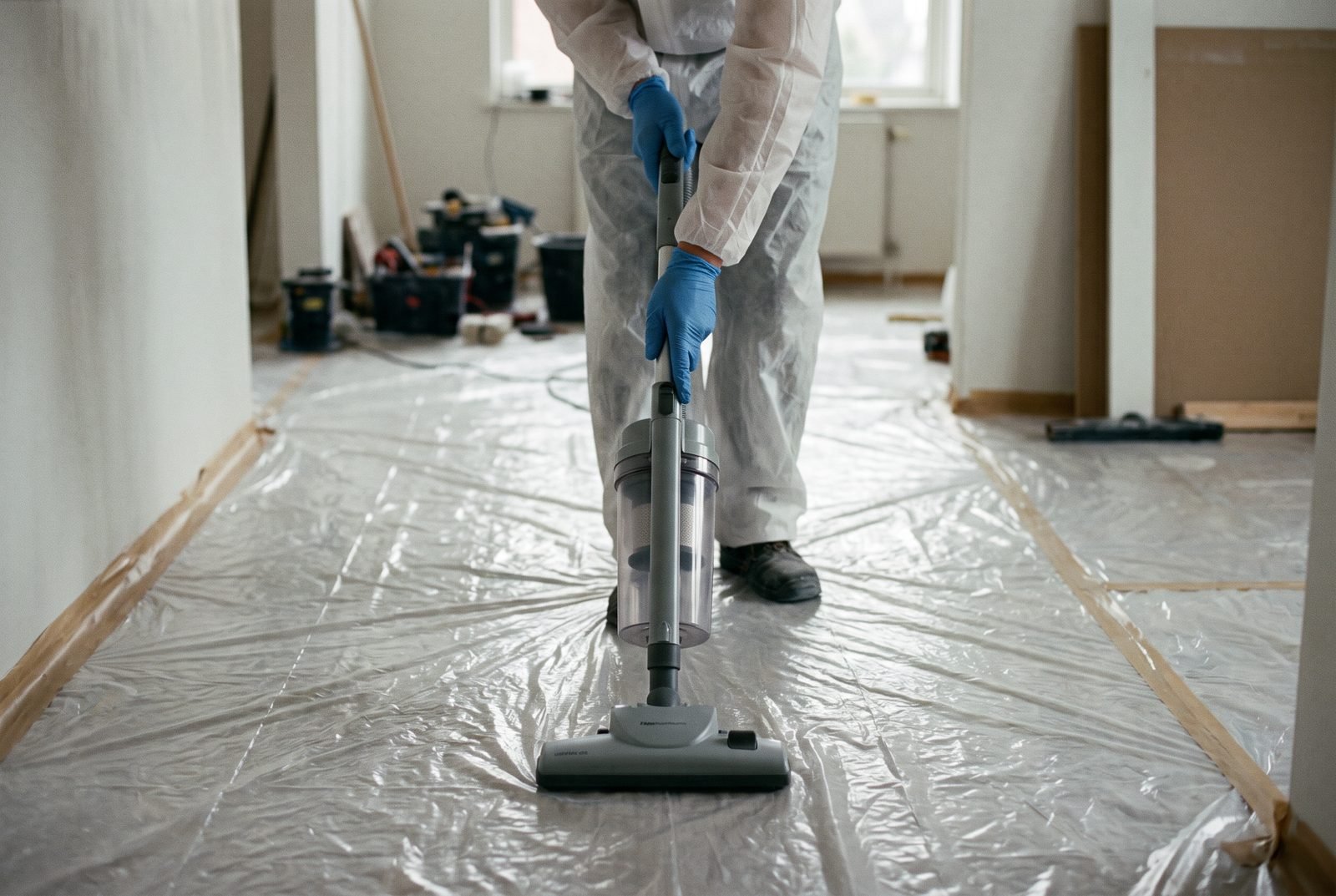
- Contain the work area, usually with plastic sheeting on floors and taped over doorways and vents.
- Use lead-safe practices: no open-flame burning, no power sanding or grinding without a shroud and HEPA vacuum attachment.
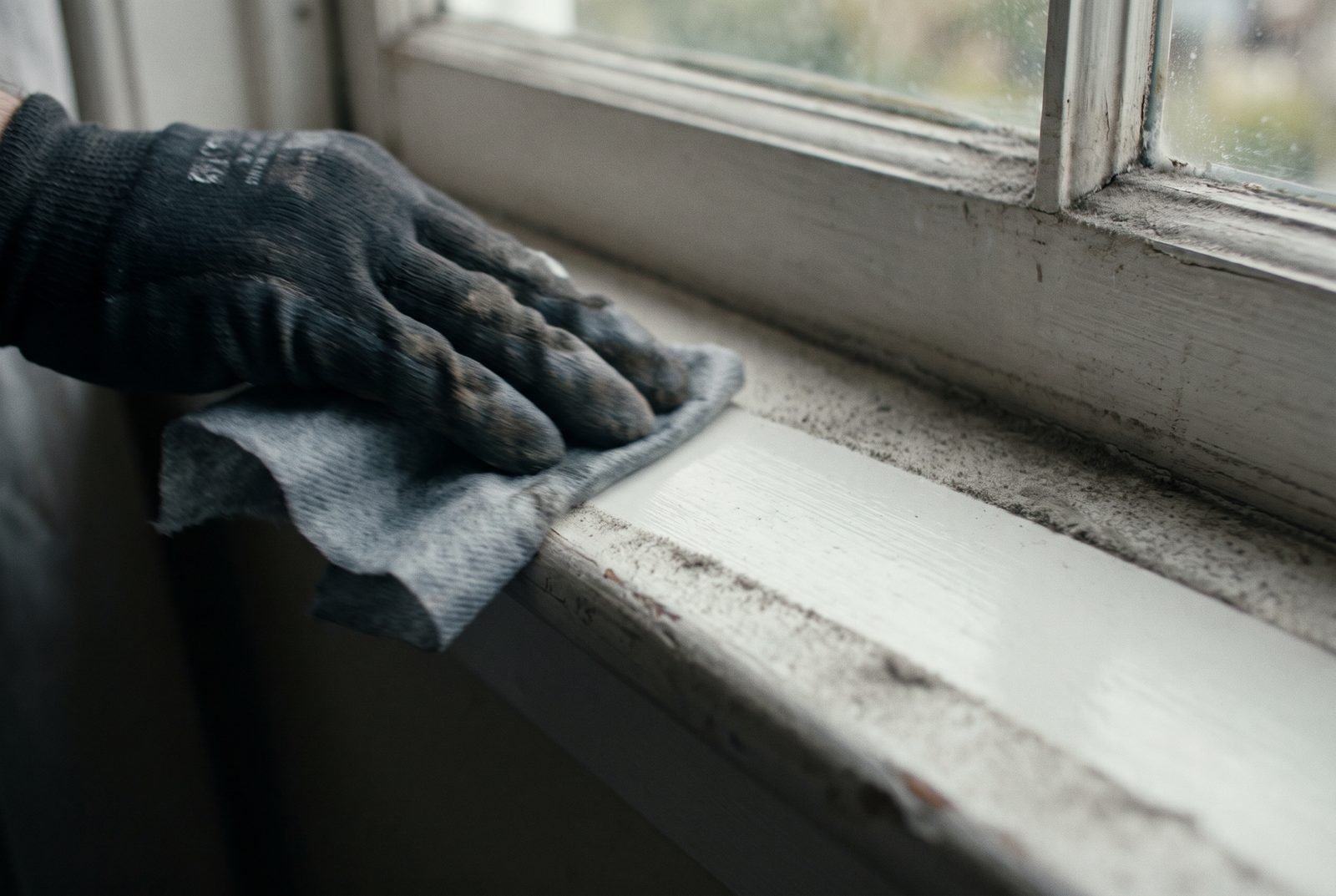
- Clean the work area with HEPA vacuums and wet wiping, then do a cleaning verification, a documented check of floors, sills and other surfaces before the area is reopened.
You can look up a firm's certification on the EPA's certified firm search. California also runs its own lead program through the Department of Public Health, which certifies lead inspectors, assessors, supervisors and workers. A contractor's license alone does not include lead training, according to CDPH. Ask your contractor which certifications apply to your job, and check them before work starts.
What to ask your contractor before work starts
- Was the house built before 1978, and has the paint been tested? If a certified inspector or risk assessor has found no lead-based paint in the areas being worked on, the RRP rule does not apply to that work (EPA).
- What is your EPA firm certification number, and who is the certified renovator on this job?
- How will you contain each work area, and how will you protect the rooms we keep living in?
- How will you clean up each day, and at the end?
- How will you do the cleaning verification, and will you give us the records?
- Do you recommend dust-wipe testing by a certified inspector or risk assessor before we move back in?
If the answers are vague, treat that as a warning sign. The cleanup and verification are the contractor's job, so they belong in the contract.
How to know the dust is really gone
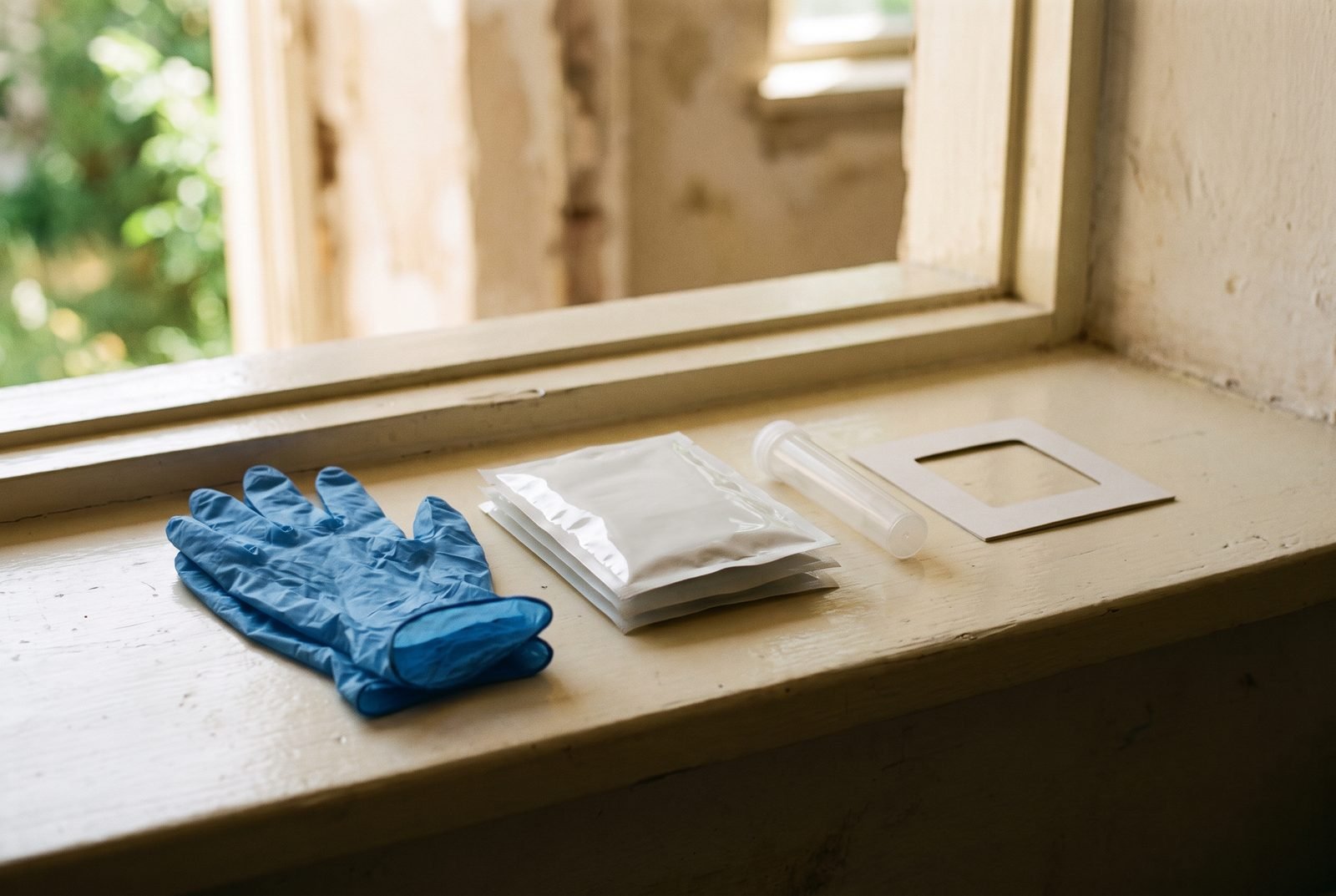
A cleaning verification is the contractor's own check. For more certainty, especially with young children in the home, you can hire a certified lead inspector or risk assessor to take dust-wipe samples from floors, window sills and window troughs and send them to an accredited lab.
The EPA lowered its dust-lead levels in 2024. Since January 12, 2026, the action levels used for clearance are 5 micrograms per square foot on floors, 40 on window sills and 100 on window troughs (EPA). If a result is at or above those levels, the area needs more cleaning and another test. Your inspector will explain the report; the numbers matter less than whether the area passed.
If you are worried about exposure, ask your doctor about a blood lead test, especially for children under 6 and anyone pregnant.
What not to do while lead dust may be present
- Do not dry sweep or use a household vacuum. Both push fine dust back into the air. Lead dust cleanup uses HEPA vacuums and wet methods.
- Do not run the central heating or air through an unsealed work area. Keep vents covered and replace the filter after the work, as you would after drywall dust.
- Do not let children or pets into work areas or onto covered floors.
- Do not carry dust out on clothes and shoes. Leave work shoes at the containment door.
- Do not paint over dust or debris to hide it. Clean first, then paint.
Where a post-construction clean fits
Egret Site Clean is not a lead abatement firm and does not test for lead. On a pre-1978 home where painted surfaces were disturbed, the certified renovation firm handles containment, lead dust cleanup and cleaning verification. Once that work has passed, ordinary construction mess is still there: drywall dust in other rooms, paint and stickers on new glass, grime inside cabinets, footprints on new floors.
That is where a final construction clean comes in. It is the same top-down, room-by-room clean we describe in our post-construction cleaning checklist, scheduled after the lead work is signed off and before you move back in. If you are planning the whole sequence, our guide to rough clean vs final clean shows where each visit falls.
Get a bid
If your renovation has passed its lead cleanup and you want the house ready to live in, tell us which rooms were remodeled. We reply with a written bid by email.


